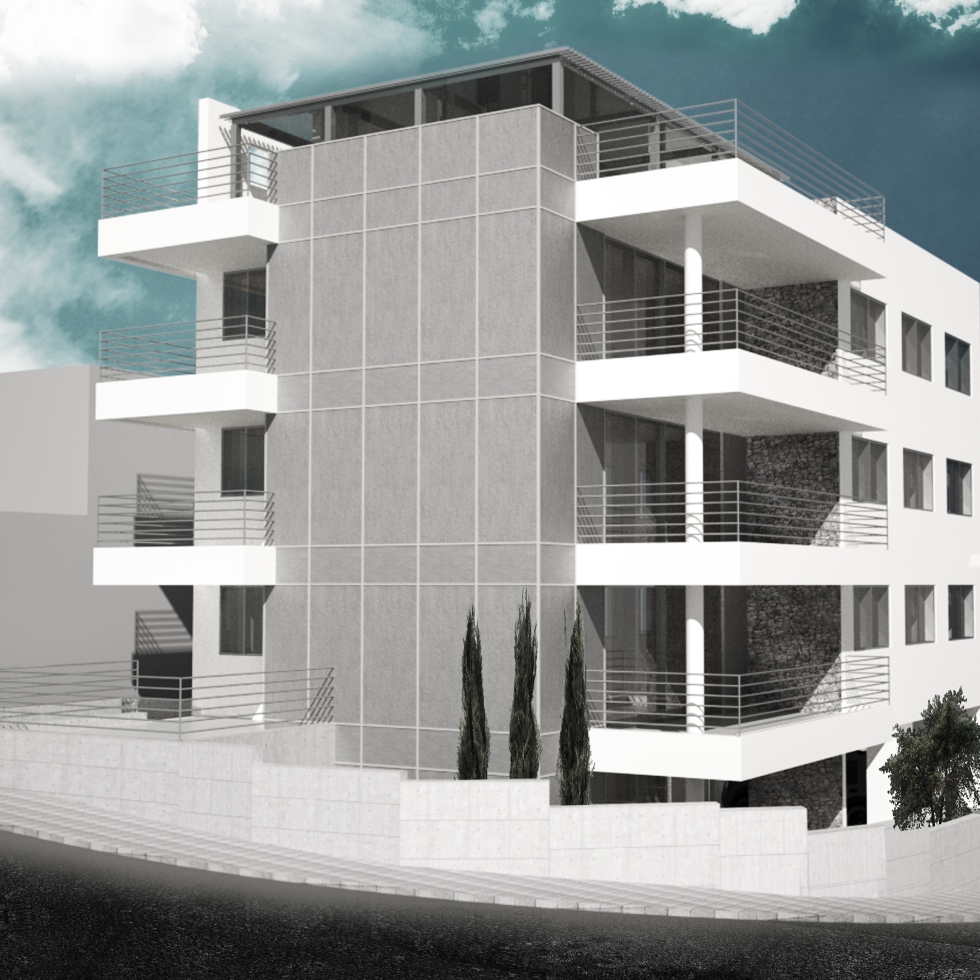
Case Study – Palazzo Spada, Borromini, Rome

2010 February 5

Diagram – Geometry VS Visual Illusions – Relationships/Impact

2010 February 5
by Maria Lardi

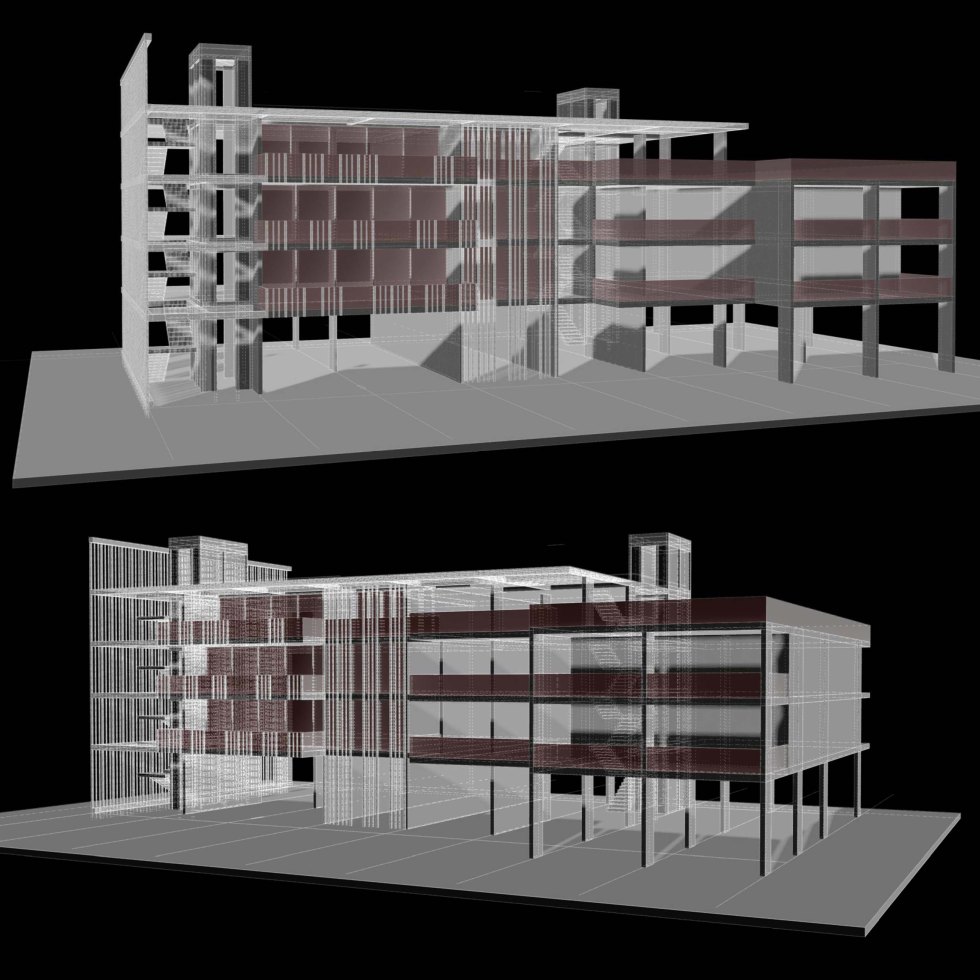
‘Through Device’ Building Geometry

2010 February 5
by Maria Lardi

First Thesis Proposal – Abstract

2010 February 4
by Maria Lardi


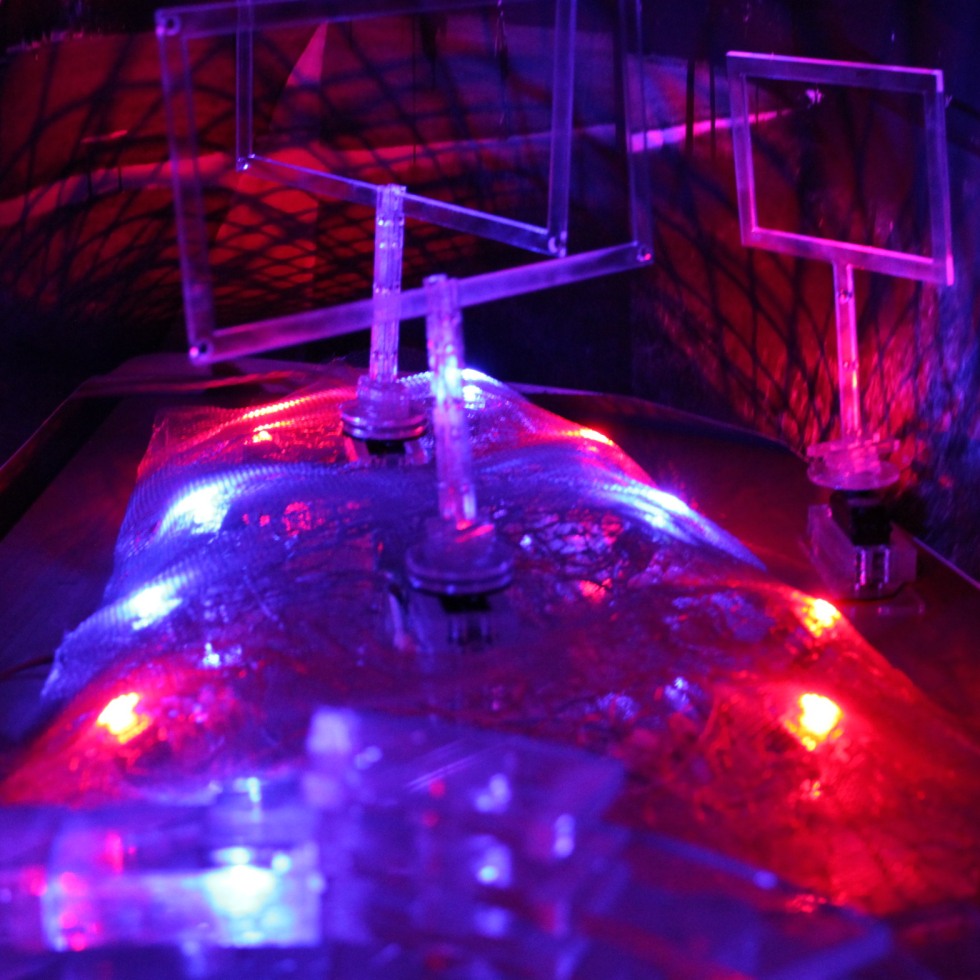
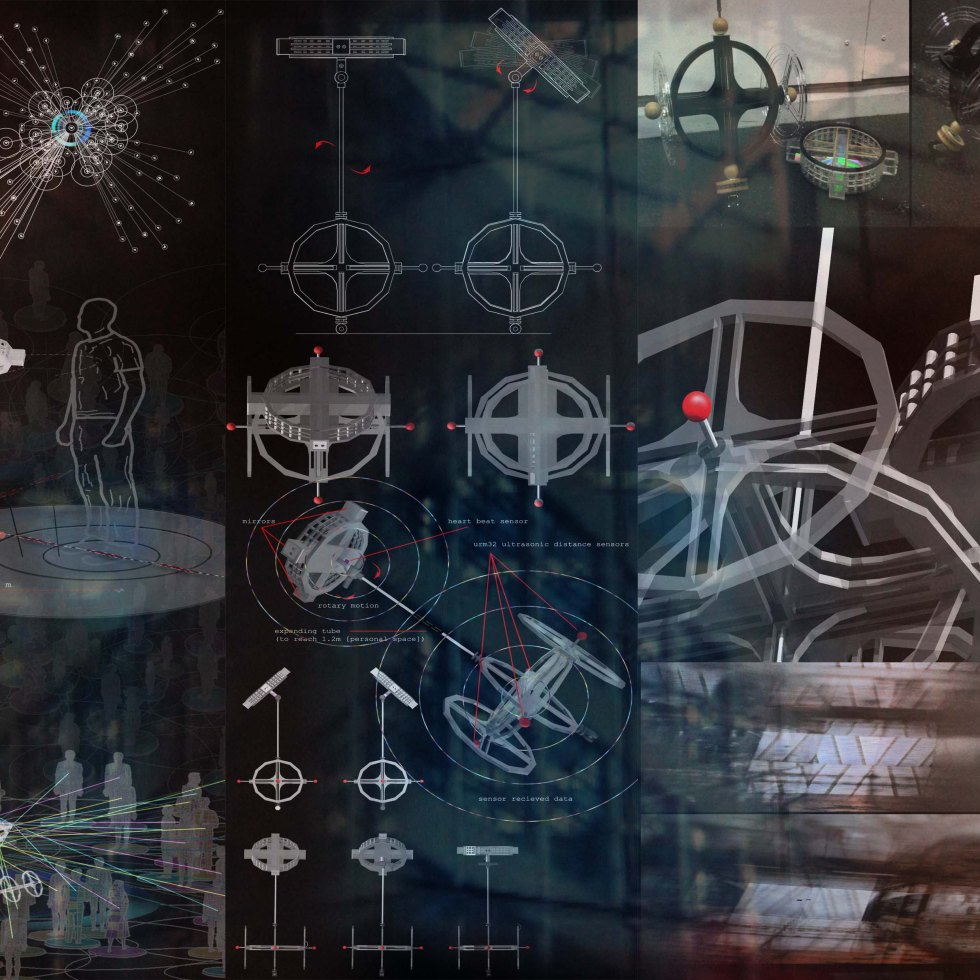
Based on the work carried out in Semester 1 (Thesis Design Development), personally one of the most important functioned conclusions through out the making of the device and through most of the work in Semester 1, when building the device, and yet more importantly while carrying out the research behind it, when taking measurements through the distance sensors and through the heart beat sensors, and last but more important when looking through the top part of the device , my own version of kaleidoscope with the reflective materials not just from the inner part of it but also from the external part, I have concluded that the brain or our nervous system has a corresponding point for every possible visual reaction that it is possible to spot.

The kaleidoscope reflecting and manipulating the vision and further more minimalising the distance to what was perceived helped me to indicate how the perception is twisted and everything changes organically. It created the question of is what you see? What you believe? Or is it what you see the actual or real of what you see? Or perhaps there is no clear understanding and perhaps it needs a better organization. Is organizing perceptual experience is better that to predict and control the actions and outcomes one can get from it and how it affects them personally then what is the way of doing that?

Our eyes collect and organize information points into sets and sending them to the brain/nervous system, whatever. The brain seems to obtain patterns from the received information sets. Data sets which it receives repeatedly form stronger and stronger patterns. Over time, the brain seems to collect so much data from particular areas that it begins to shut down the invasion of new information, because it believes that it already has enough information from them to predict and control outcomes of actions. I believe that this is how the perception of the optical illusions work. The Repeated visual and more importantly manipulated information set into patterns, which eventually are relied on own logical perception of the perceived information to adapt. This might mean that that the information received is replaced with either an image or reality or our perception is replaced with conception. So are perceptions governed by conceptions and visual illusion?

Vision has an immediate response with distance. What you see is how clear you can see it and the clearer the better is the understanding. In the case of the visual illusion or visual manipulated perception due to the illusion that in this case is caused by the kaleidoscope , it may be argued that there is no distance. Objects are in false positions and the multiplied reflections through the kaleidoscope are making the distant position of those objects false. So is manipulated vision minimalizing distance? Looking at 3d perspective drawings we can see that most are drawn based on a vanishing point. That point is the end distance of what artificially the eye can see to collect the information. The vanishing point is something that all have experienced with it when we try to see or look at something in order to understand a location or to calculate the distance in which that particular something of our desire exists. This brings me to my final thought for a thesis project proposal which I will try to bring out through a question. Is visual illusion of manipulated vision minimilizing distance? and if so? Is this the end of the perspective?

Some questions for research and further investigation follow :
How does visual perception reflects central inner object relations.. Is it merely projections of content? Of form? Or is it ingrained in the whole personality, and in that respect revealing a mode of functioning which spreads out to cognitive as well as emotional areas? Are the tools for creating illusions of three dimensional space overlapping, changing size and placement, linear perspective, relative hue and value, and atmospheric perspective. Ways and opportunities of developing the issue and experimenting further with the question as in turn to come with a proof of the occurrences of how this may happen is the use of visual schematics, further investigation of visual illusion as well as physical or computational experiments and through further manipulation of the kaleidoscopic tool or effect.

___________________________________________________________________________

Research on subject of interest prior to Thesis Proposal


Bibliography

  • Suspensions of perception: attention, spectacle, and modern culture By Jonathan Crary,  page 57
  • Techniques of the observer: on vision and modernity in the nineteenth century By Jonathan Crary, Page 68-69
  • Visual illusions: their causes, characteristics and applications By Matthew Luckiesh, Page 196
  • [Images from various web resources]

A First Experimental Optical Illusion and Visual Manipulation

2010 January 13
by Maria Lardi

Sensor combination effects

+An Early very first Experiment+

Optical Illusions and Visual Manipulation

Early experiment

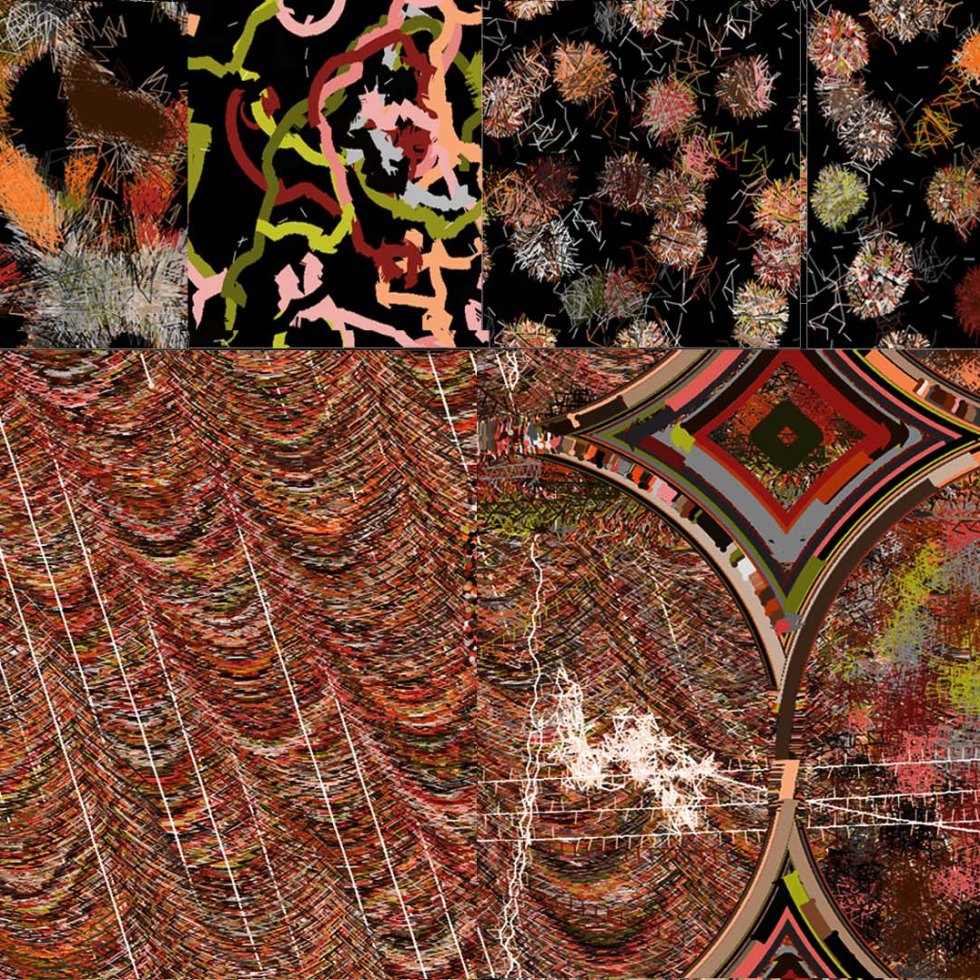
Using the data from the sensors it has been an attempt to use the graphics made in processing of the data received and to use them to represent objects seen and found. In fact the data from the distance sensor does indeed represent objects since it is received based of objects in front of the distance sensor. The initial purpose was to represent theproximity surround of personal space invasion. Circles have been used to confirm how personal space can be decreased when distance is minimalized and how an individual may possibly feel the enclosure. This is revealed by the rings increased and decreased in stratums of colour.

In addition it has moreover been an attempt to illustrate the multiplied distorted consequence of view through the kaleidoscope and the manner of perception one can be affected for when the view is distorted and perception is misapprehended.

To begin with in Adobe Pemier I have divided my video working screen in to 2 parts.

The animation was made from only 1 sequence of measurements. The initial sequence is the left ring. Then the same exactly animation was placed on the right sde but used slightly different colours For example red was first used in the left side and blue on the right site.

What’s more is the increase and decrease of the rings on both sides, left and right are equal. One may think that are or are not due to the colours. Visual Perception for each individual is different. However….The red ring on the left side is the same as the blue ring on the other side. There fore the illusion is that are not equal where in reality they are.. Also the colours do not appear at the same time in the left as in the right part. So there is the illusion that what is happening on the left side is not the same on the right. The fact that the circles increasing and decreasing is not happening at the same is obvious at the beginning due to the selection of colours as stated earlier but towards the end they are the same but give the illusion that they are not.

Here is the video :